

More and more often I get into my simulator quickly and automatically reach for my Pimax Crystal Super. I still love the alternation between triple monitor and VR, and precisely because I also recently started hanging a 49-inch OLED on my new simulator, my curiosity about it became Pimax Crystal Super Micro-OLED engine only gets bigger. Because if OLED on a monitor already makes so much difference, how does that pan out in VR?
That answer was not long in coming. The first impression is simply impressive. The black levels jump out immediately. Real black. No drab haze over dark cockpits, no flat image that wipes out all ambience, but contrast that immediately puts more depth, calm and tension into the whole. And precisely because of this, the image feels not only more beautiful, but also more believable. As if you were just a little deeper into the cockpit pulled in.
That very thing made me immediately excited to dive further into this. Because how good is this engine really once you drive it for longer? What do you actually notice about it while racing? And is this really as big a step up from the standard Crystal Super engine as you would hope?
At the same time, I also immediately noticed that this is not a story without side notes. The typical pancake glare was immediately noticeable. And precisely because the OLED image comes in so strongly, it clashes extra hard with the rest of the experience. That is precisely what makes this review interesting. Because the Pimax Crystal Super Micro-OLED is not a small upgrade you just thoughtlessly pick up, but a serious high-end choice. Which is precisely why I wanted to know: how good is it really in practice? I can tell you one thing in advance: once you get used to this OLED picture, going back to anything else actually feels like giving up straight away.
Summary
Snel naar
The Pimax Crystal Super Micro-OLED delivers one of the finest VR visuals I have yet seen for sim racing. The combination of deep blacks, strong contrast, a large sweet spot and impressive cockpit brightness makes this engine really special visually. Especially in graphically strong sims like Le Mans Ultimate and Automobilista 2 comes full circle.
At the same time, this is not a hassle-free upgrade. The glare from the pancake lenses is noticeable, especially in menus and high-contrast screens, and the hardware requirements are also hefty. Even with a powerful sim gaming PC, fine-tuning remains necessary to find the right balance between image quality and performance.As a standalone upgrade, this makes this modular engine hard to justify to anyone. But if you choose between QLED and Micro-OLED within a Crystal Super bundle, this variant is undoubtedly the most impressive choice visually.
Features
- Breathtaking black levels, contrast and image tranquillity
- Large sweet spot and strong cockpit brightness
- Glare remains the obvious optical downside
- Requires a powerful PC and the necessary tuning
- Especially interesting for high-end sim racers
The context of this review
I have the Pimax Micro-OLED optical engine tested for a few weeks on my existing Pimax Crystal Super body, in combination with DMAS audio. So for me, it was not a completely new headset, but specifically this modular engine within the Crystal Super platform. As a result, my comparison is also deliberately defined: the standard Crystal Super engine and the Crystal Light are my reference points and therefore no other VR headsets.
“With this module, the investment does not start with the headset. It actually starts with your PC.”
I tested on my super powerful sim gaming pc from YourBuild.co.uk - AMD Ryzen 7, NVIDIA RTX 5080, 64GB RAM. So not a budget PC! See my separate review of that system for more context. That detail is important, because this optical engine only really shows what it can do when the rest of your system can keep up. Anyone who thinks you're done with just this module is underestimating how much graphics processing power needs to be behind this to make it run ‘smoothly’. I tested the Pimax Crystal Super Micro-OLED mainly in Automobilista 2 and Le Mans Ultimate.
Pimax Crystal Super Review
This review focuses specifically on the Micro-OLED optical engine for the Pimax Crystal Super. Want to know more about the headset itself? Then also read my in-depth Pimax Crystal Super review.
What does the Pimax Crystal Super Sony 8K OLED optical engine cost?
You have to be honest about that price, because this is no small upgrade. The official product page lists the Pimax Crystal Super Sony 8K OLED optical engine at €1,070, excluding shipping and taxes. So that is purely the individual module, not a complete headset with all the trimmings. And that's exactly where the nuance lies. For that amount of money, you don't just buy ‘some better image with it’. You buy a serious visual upgrade, but only if the rest of your setup is also ready for it. If you already have a Crystal Super and a powerful PC, you can at least put that investment in the right context. If you need to upgrade your hardware in addition to this engine, the total amount will quickly add up.
Personally, I would therefore not see this module as a single impulse buy any time soon. The amount is simply too hefty for that. But if you opt for a Crystal Super bundle anyway and the step to Micro-OLED is relatively limited in additional price, it suddenly feels a lot more logical.
Unboxing and installation
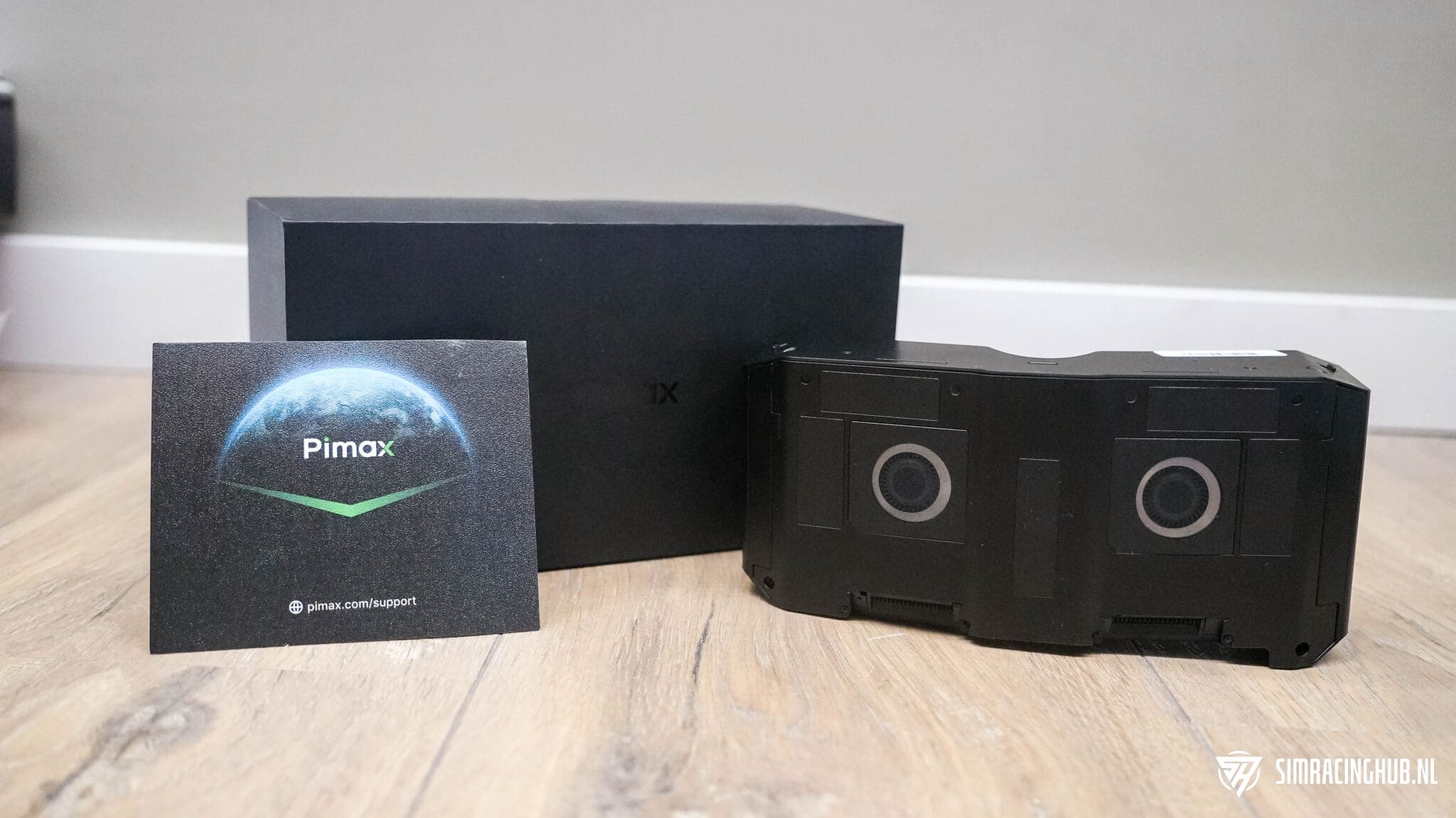
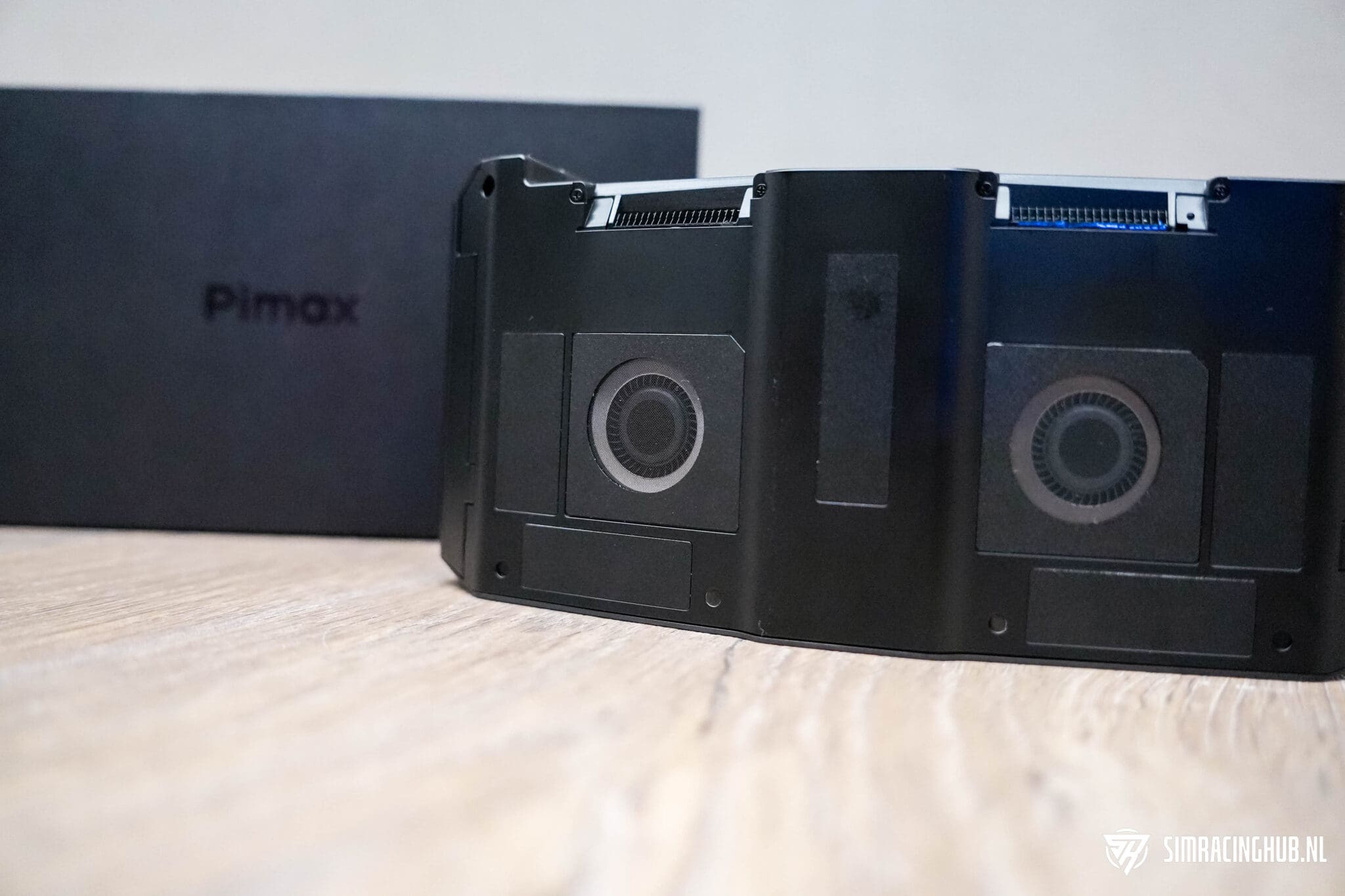
Of course, the unboxing here is a lot smaller than for a complete headset. Logical too, as you are not buying a completely new VR system, but a separate optical engine for your existing Crystal Super. However, you can also buy as a bundle. Buy it loose? So don't expect a big box full of extras or an extensive set of accessories. Basically, it's all about the engine itself and that makes this upgrade immediately clear in what you are buying.
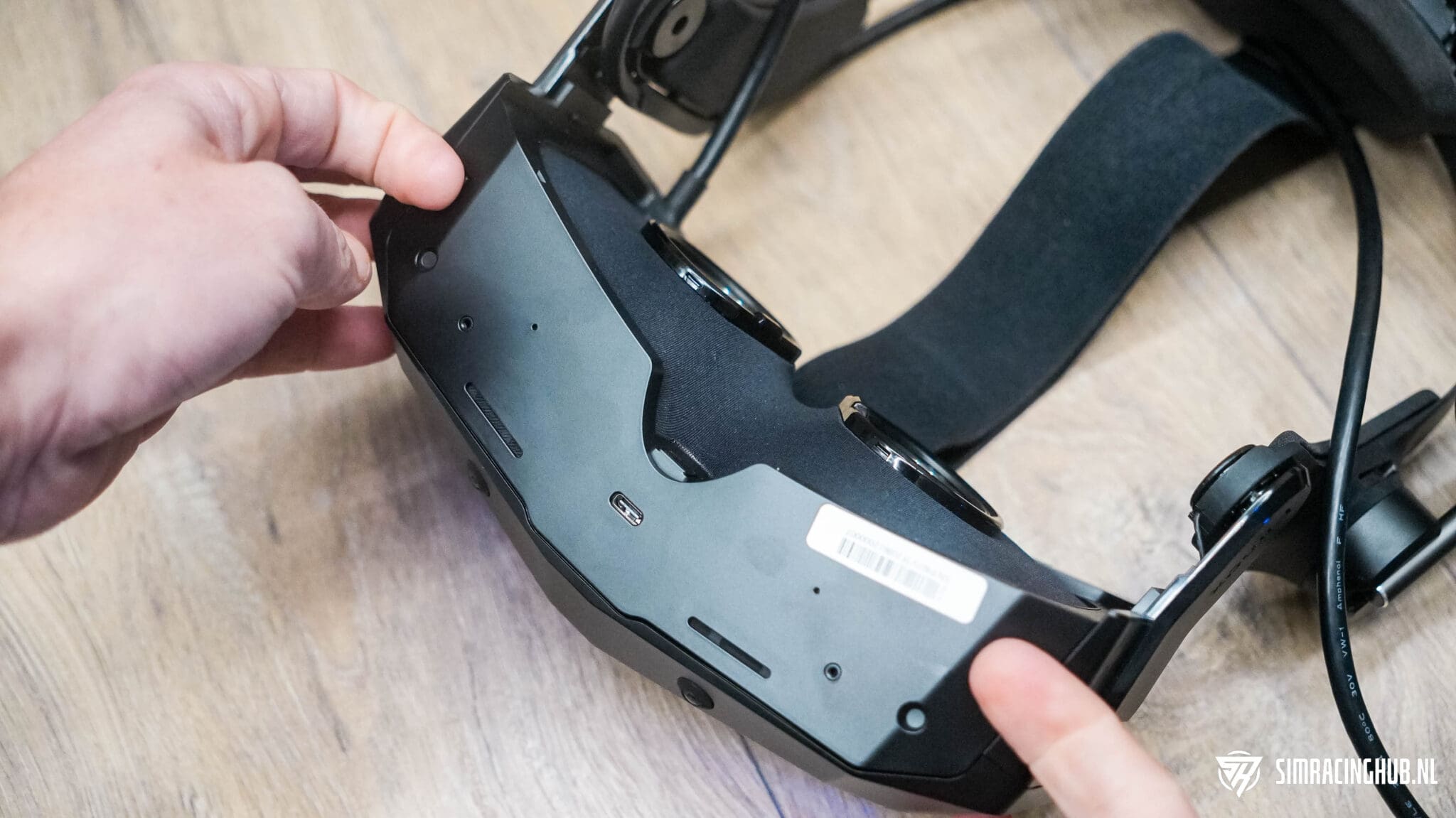
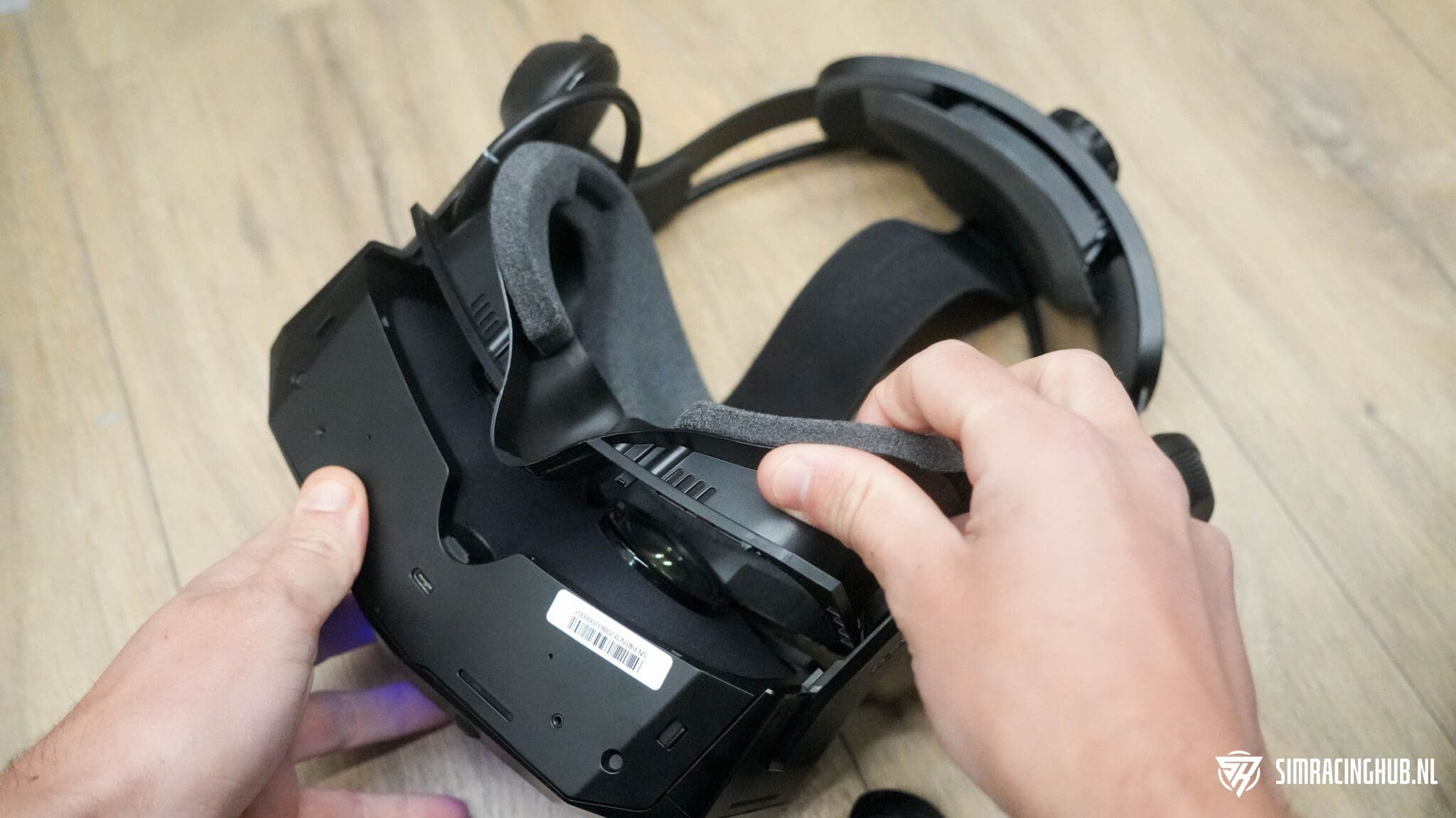
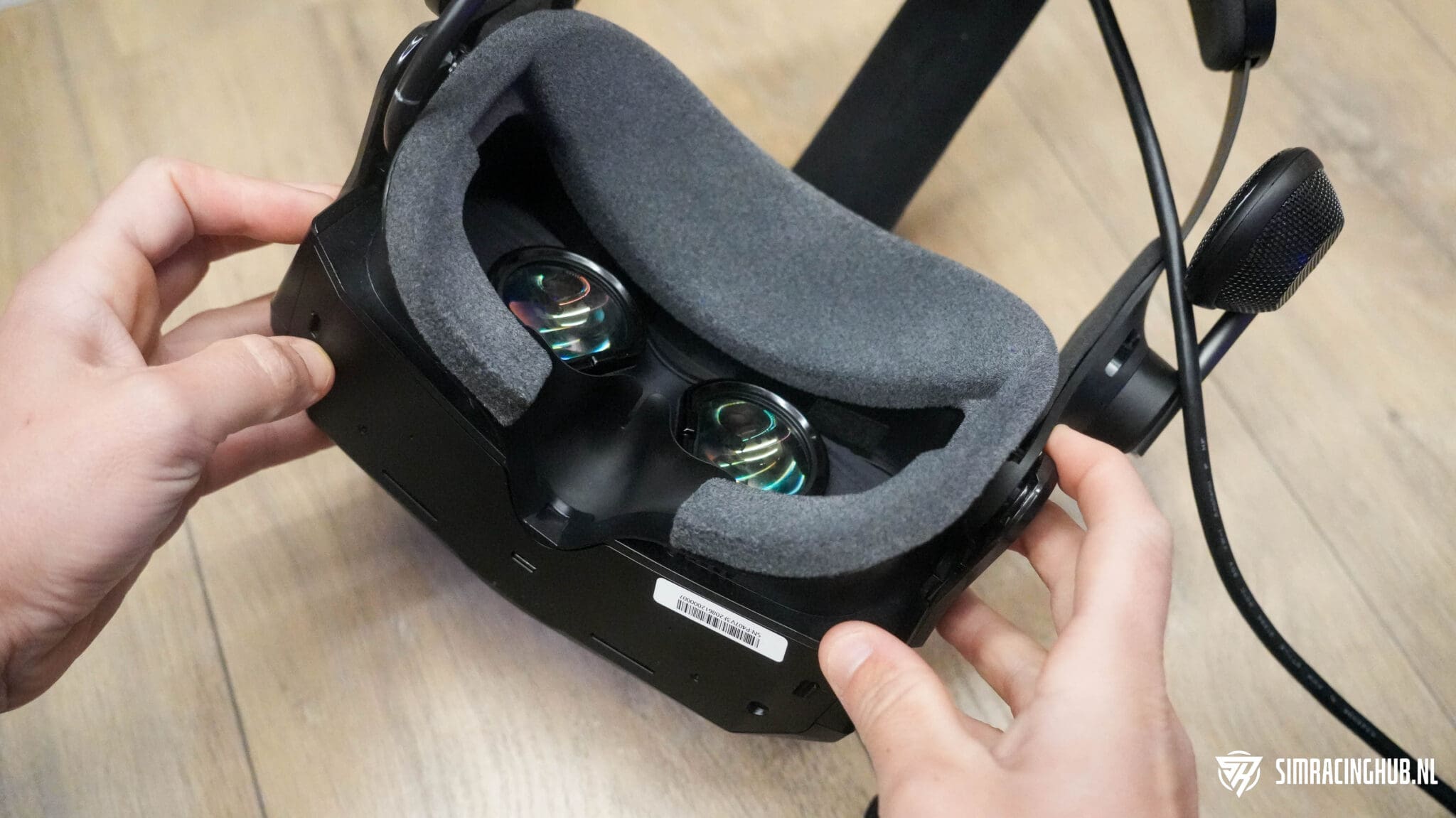
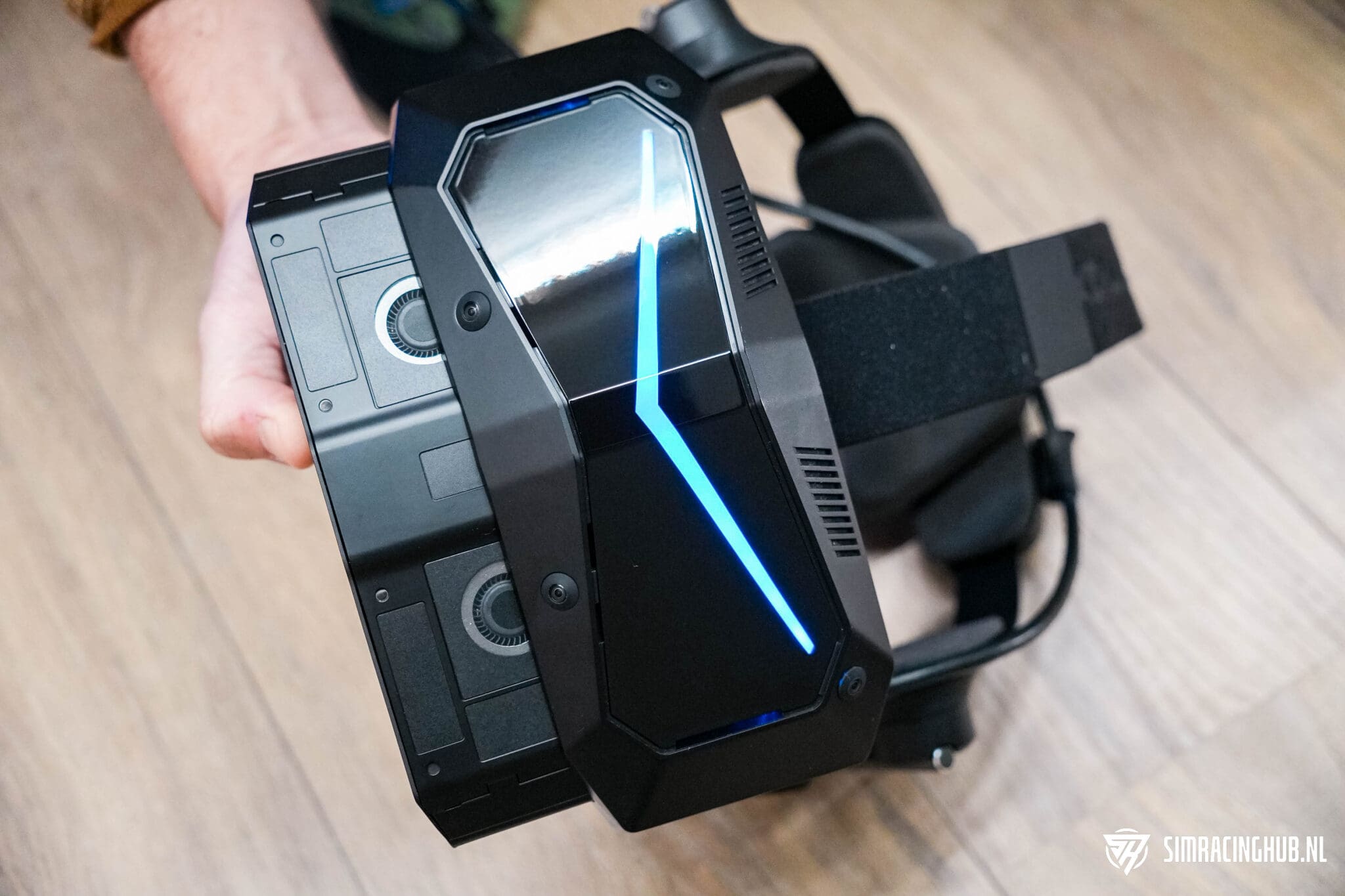
So what you actually receive is the Pimax Crystal Super Sony 8K OLED optical engine: the new Micro-OLED module with its optical stack. No complete headset, no DMAS audio, controllers or other peripherals. You have to have that already, or buy it separately.
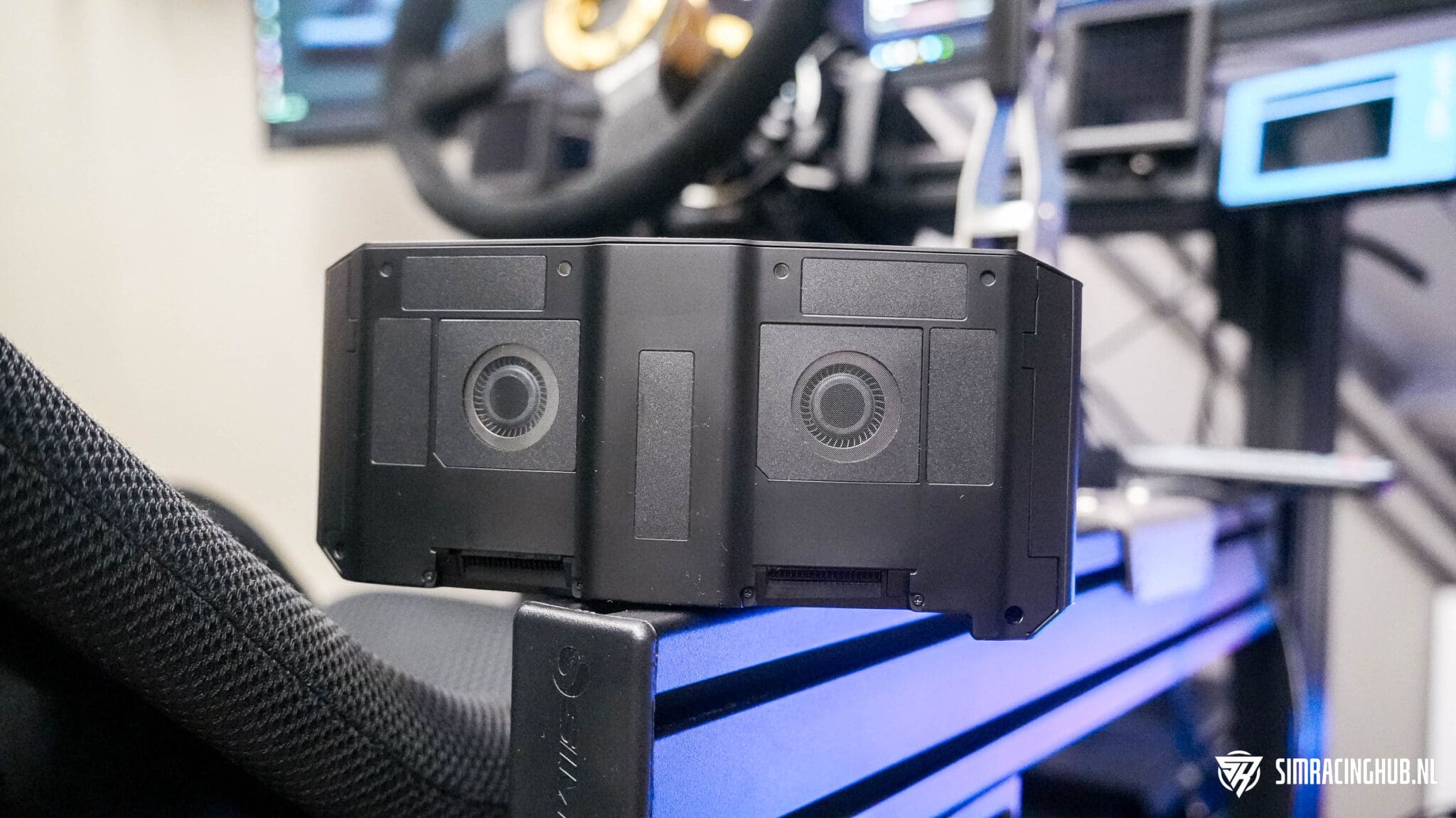
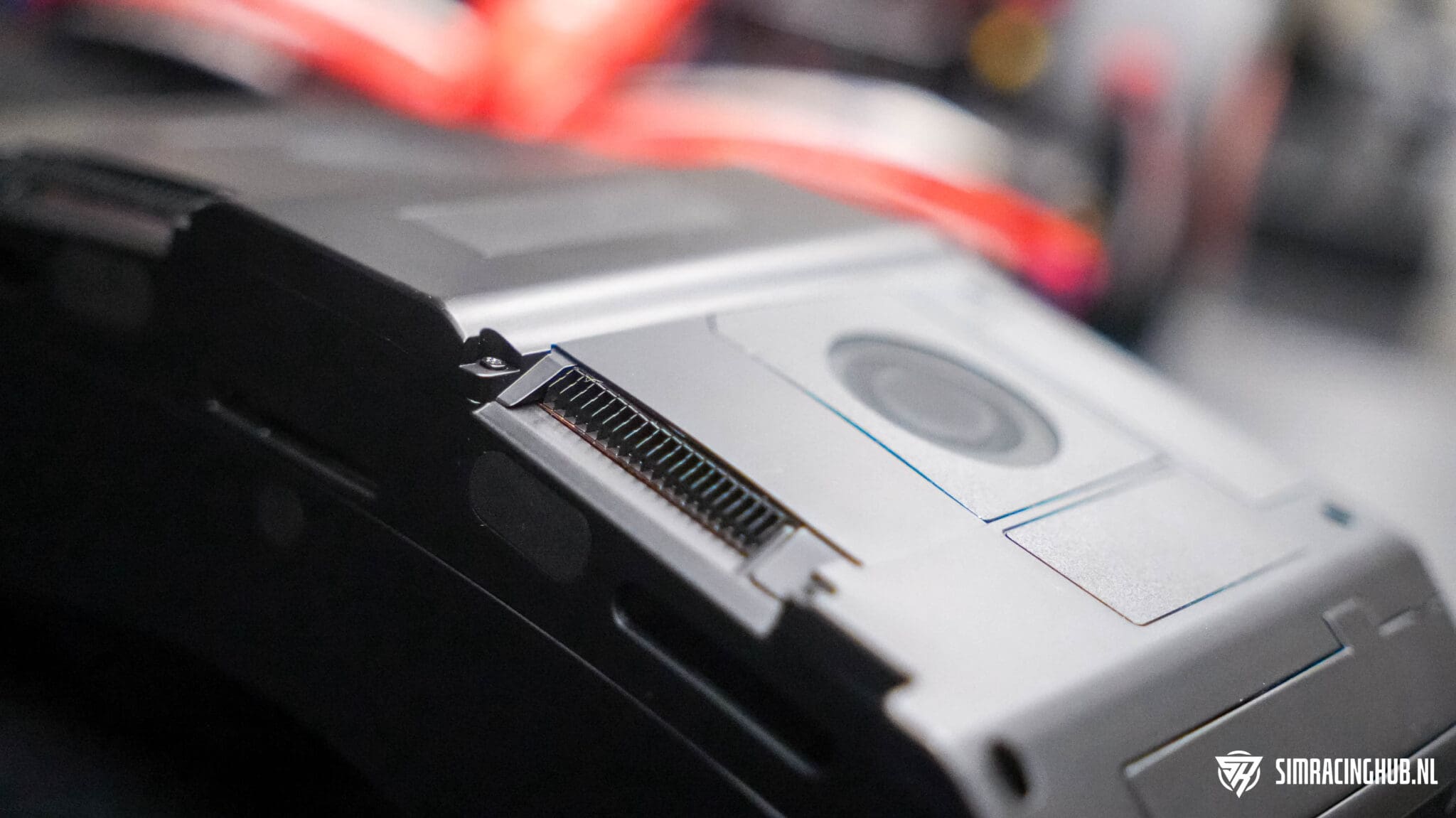
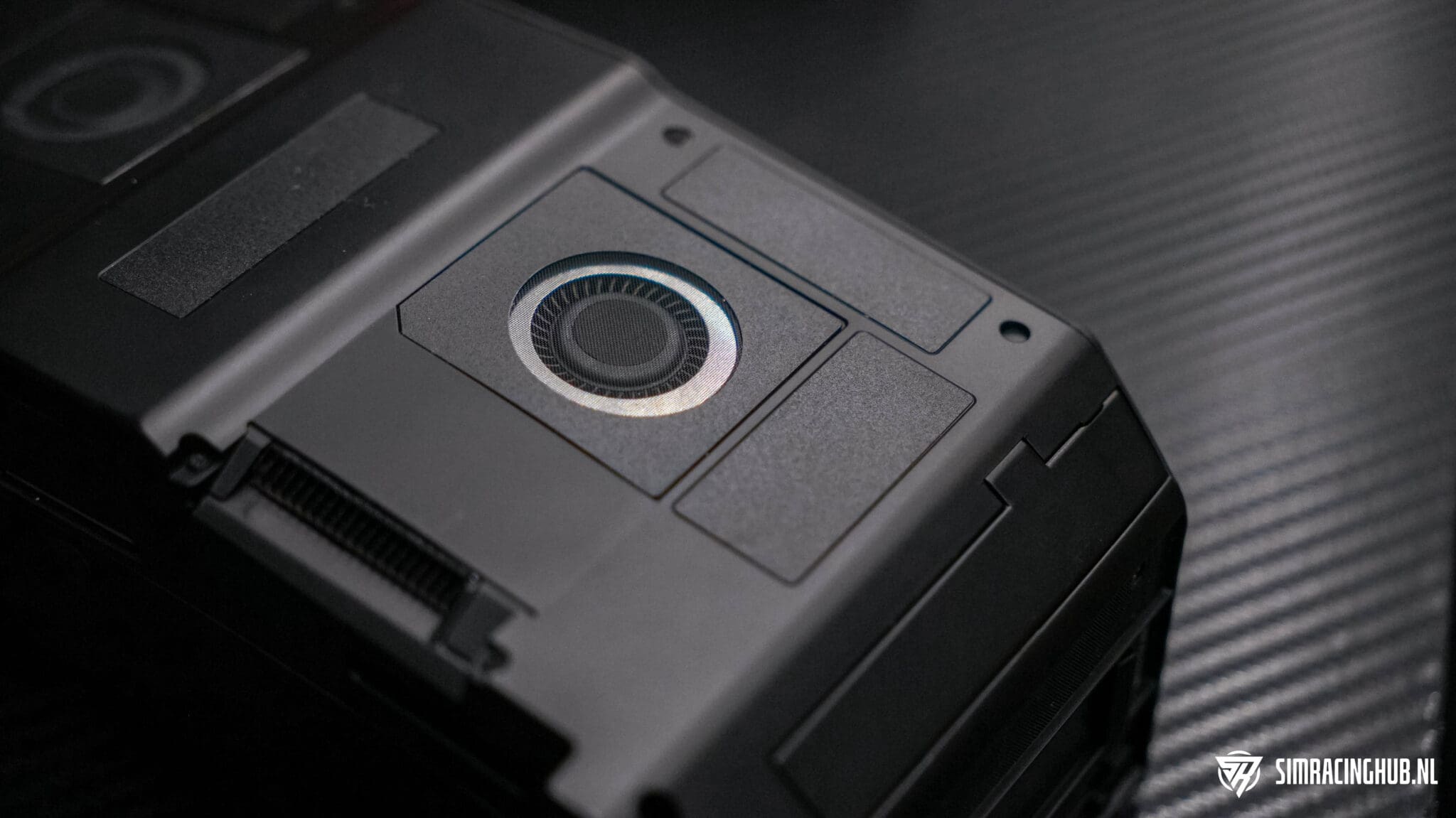
I tested the separate module, which in practice meant replacing my existing optical engine with this Micro-OLED variant. What I do find strong is how easy replacing the optical engine is. Here, in fact, it is surprisingly simple and literally plug-and-play. You disconnect the headset, slide out the old module, insert the new one and put the face gasket back. That's really all it is.
The Pimax Crystal Super Micro-OLED impresses
Before I dive into my experiences in the sims, it is good to briefly look at what Pimax actually puts down here. And that is impressive. Not because specs tell the whole story, but because this engine clearly shows where the emphasis is. On paper, three things are particularly interesting: the combination of high resolution and OLED contrast, the relatively wide FOV for a Micro-OLED solution and the fact that eye tracking plus foveated rendering are not just luxury extras, but really contribute to usability here.
“Here you notice that image quality in VR is much more than just resolution.”
Modular ecosystem
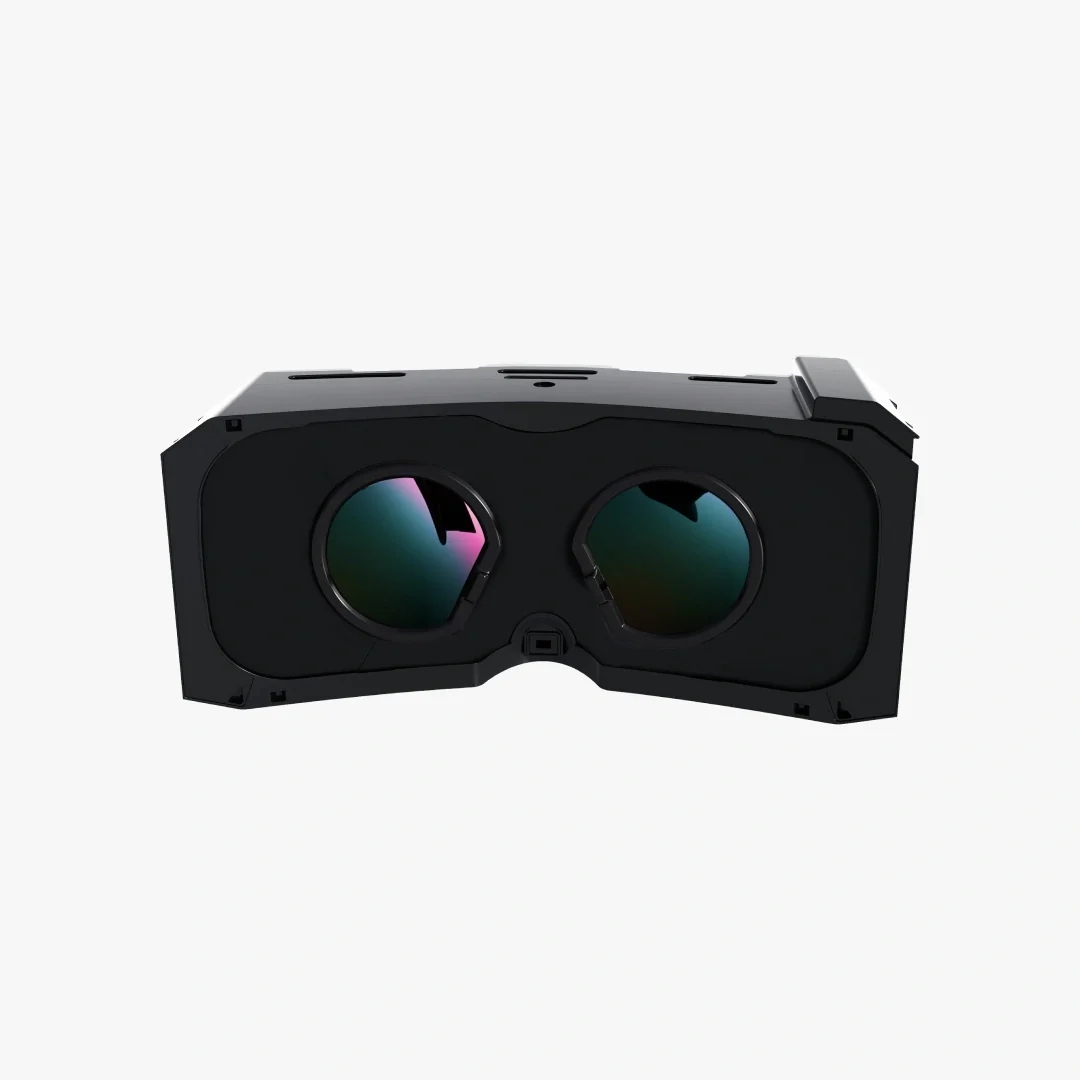
I still think one of the stronger choices within the Crystal ecosystem is its modular design. Pimax doesn't lock you into one fixed display configuration, but gives you the space to create different optical engines change based on your preference. This also ensures that the Crystal Super can grow with you in the future. That's an incredibly smart move!
Specifications
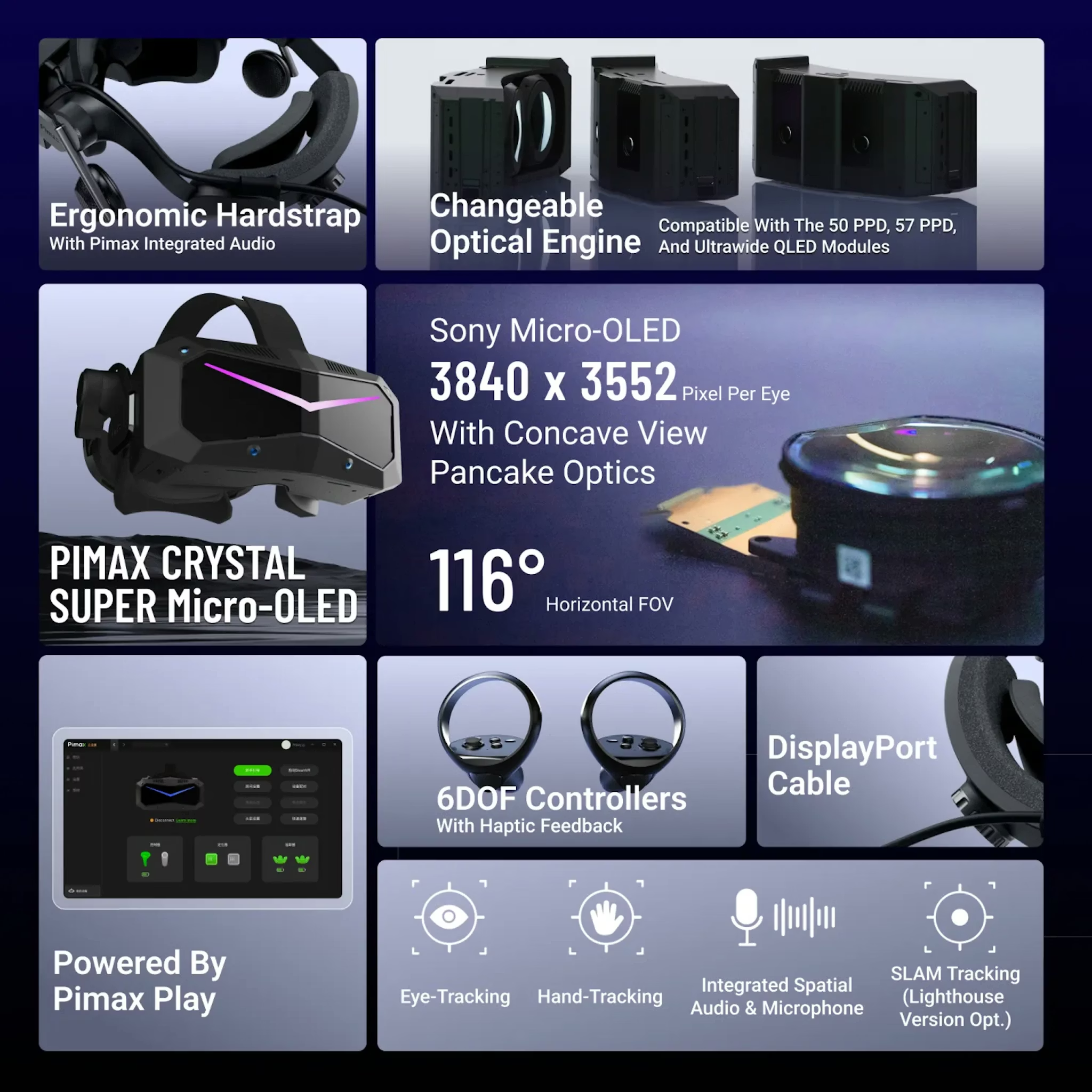
- Resolution per eye: 3840 x 3552
- Field of view: 116° horizontally
- Refresh rate: up to 90 Hz
- Automatic IPD adjustment: 58-72 mm
- Screen type: Sony 8K Micro-OLED
- Foveated Rendering: Dynamic 2.0
- Tracking: inside-out, expandable with Lighthouse
- Audio: interchangeable 3.5 mm jack solution, 2 microphones
- Price module: about €1,070 excluding shipping and taxes
Pimax Micro-OLED engine
But what makes this engine different from the QLED variants? Pimax is trying to combine something tricky here: high sharpness, OLED contrast and still enough field-of-view to keep the image spatial. That sounds nice on paper, but the interesting thing is mainly what remains of that in practice, but more on that later. First, we will discuss the main features of the Pimax Micro-OLED engine.
“This is without doubt the most beautiful VR image I have seen in sim racing so far.”
Resolution of 3840 x 3552 per eye
On paper, 3840 x 3552 pixels per eye is mostly an impressive number. In practice, you mainly notice it in the places where sim racing really benefits from it. Dashboard information looks calmer, small details remain more legible and even further down the screen, outside the car, the world maintains more structure and sharpness. For me, that is the real gain of this resolution. Not that everything suddenly feels spectacularly sharper for the sake of being sharper, but that the overall image looks more convincing and stable. Less turmoil, more usable detail.

Wide 116-degree horizontal FOV: wider than you might expect
That 116-degree horizontal FOV might sound like a technical footnote, but in practice it is actually one of the features that makes this engine more pleasing than you might expect beforehand. Many Micro-OLED solutions gain on contrast and black levels, but often compromise slightly on spatiality. I have that feeling much less here. Although I was a bit sceptical at first about giving up FOV compared to the 50 PPD engine, I find it less disturbing than expected .
In the cockpit, the image does not look stuffy or confined. The whole thing feels open enough to keep the car, the mirrors and your surroundings convincingly in view, without you getting the idea that OLED has come at the expense of image width here.
Pancake lenses really make a difference here
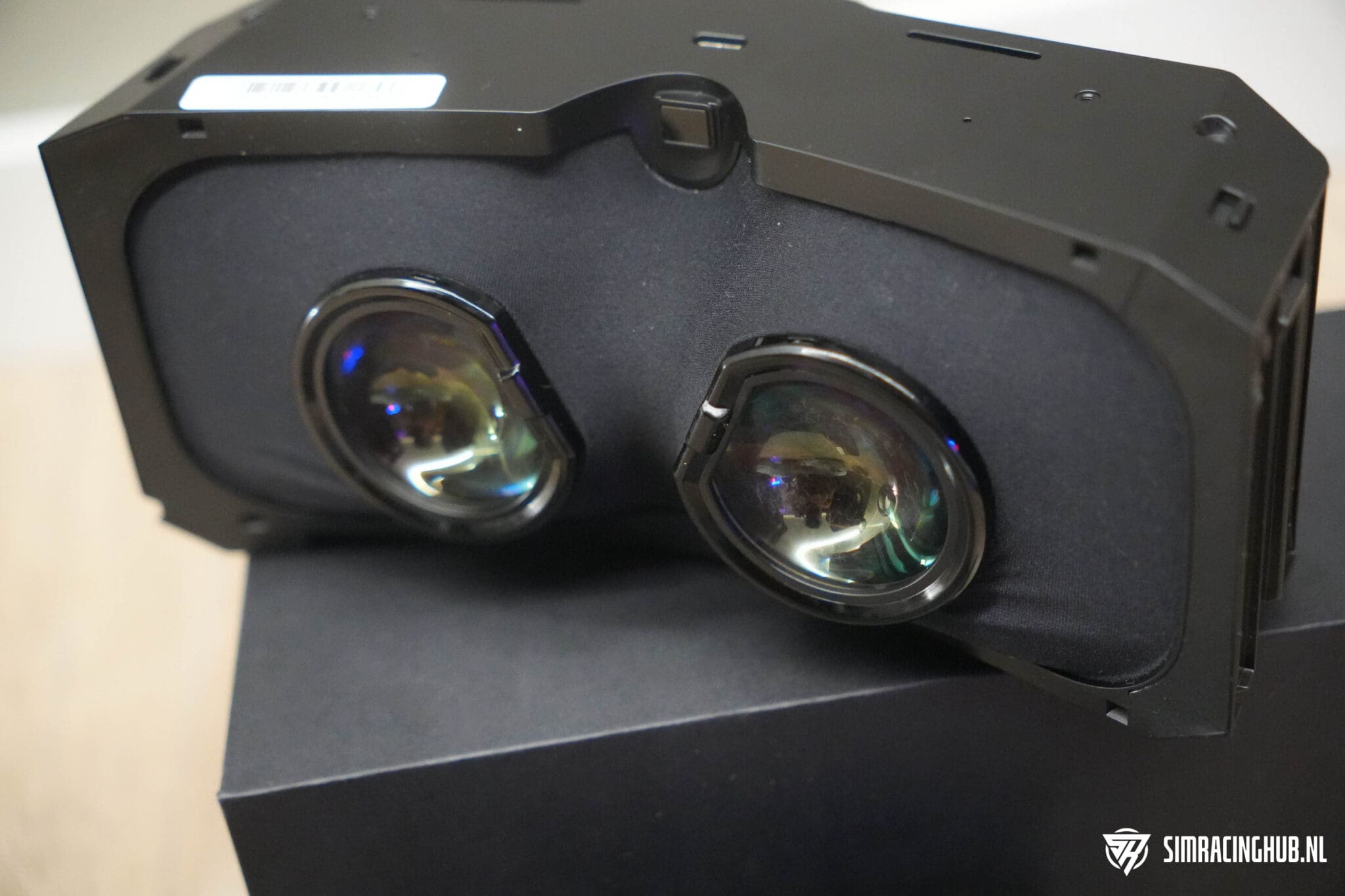
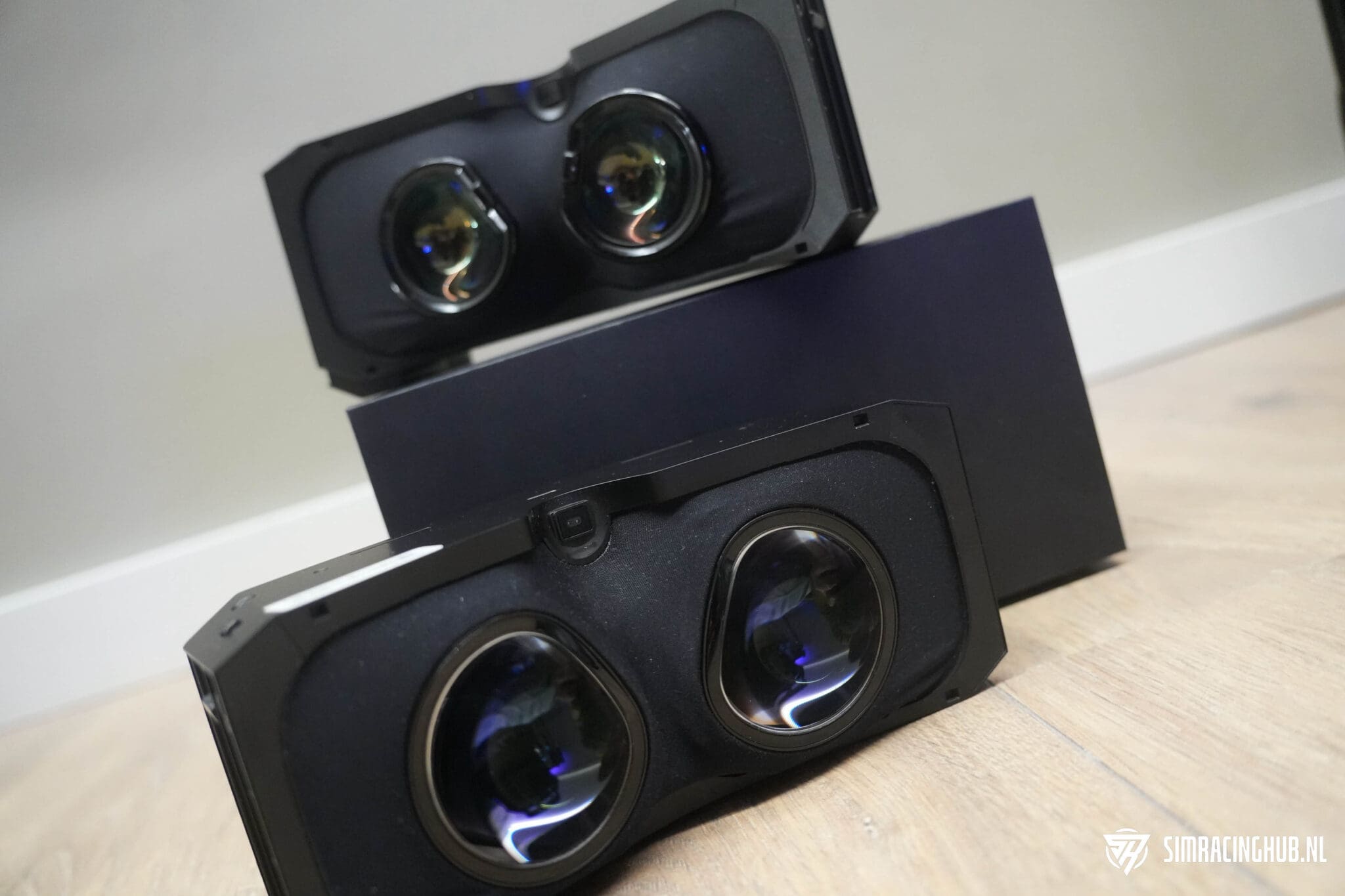
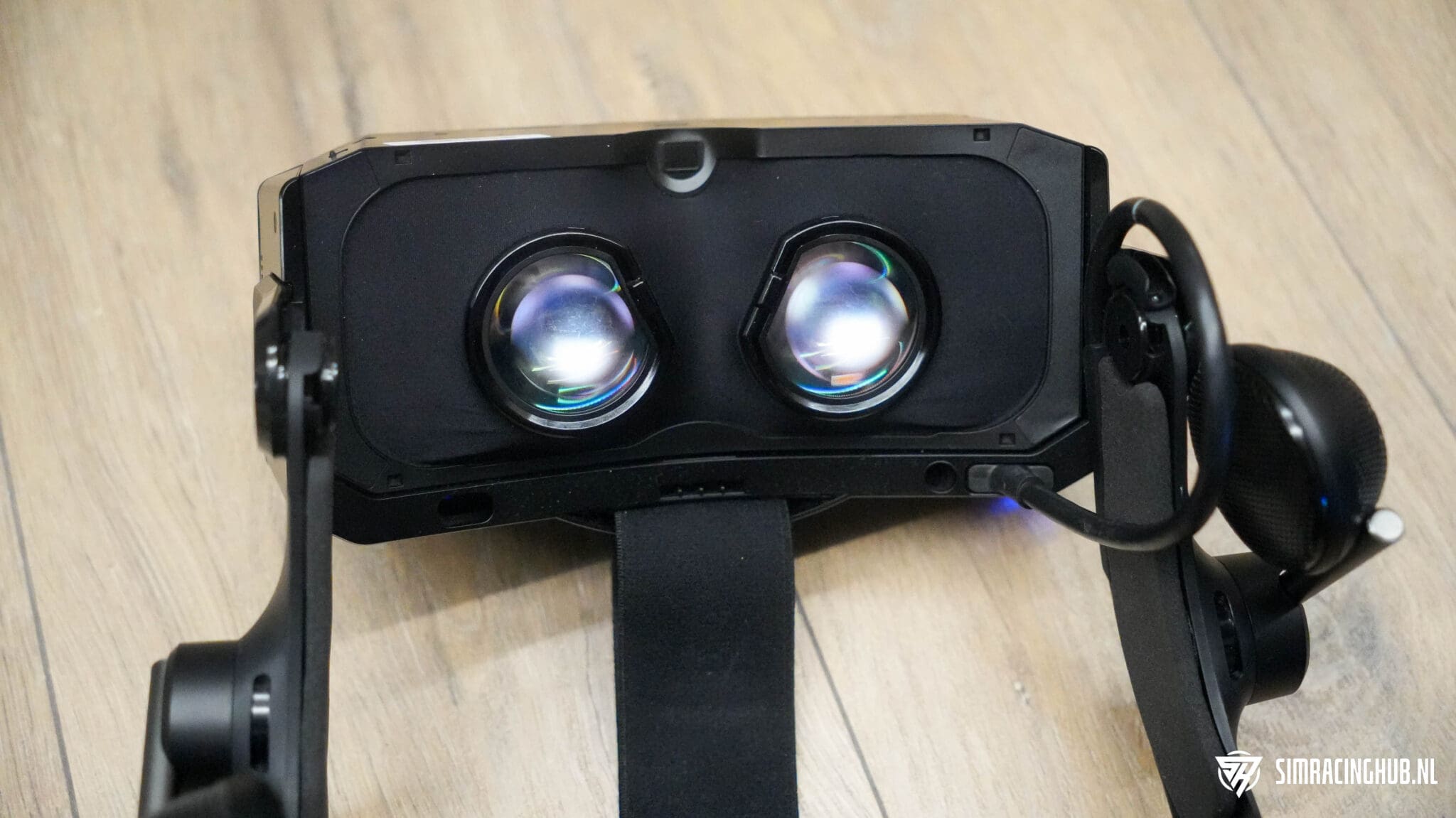
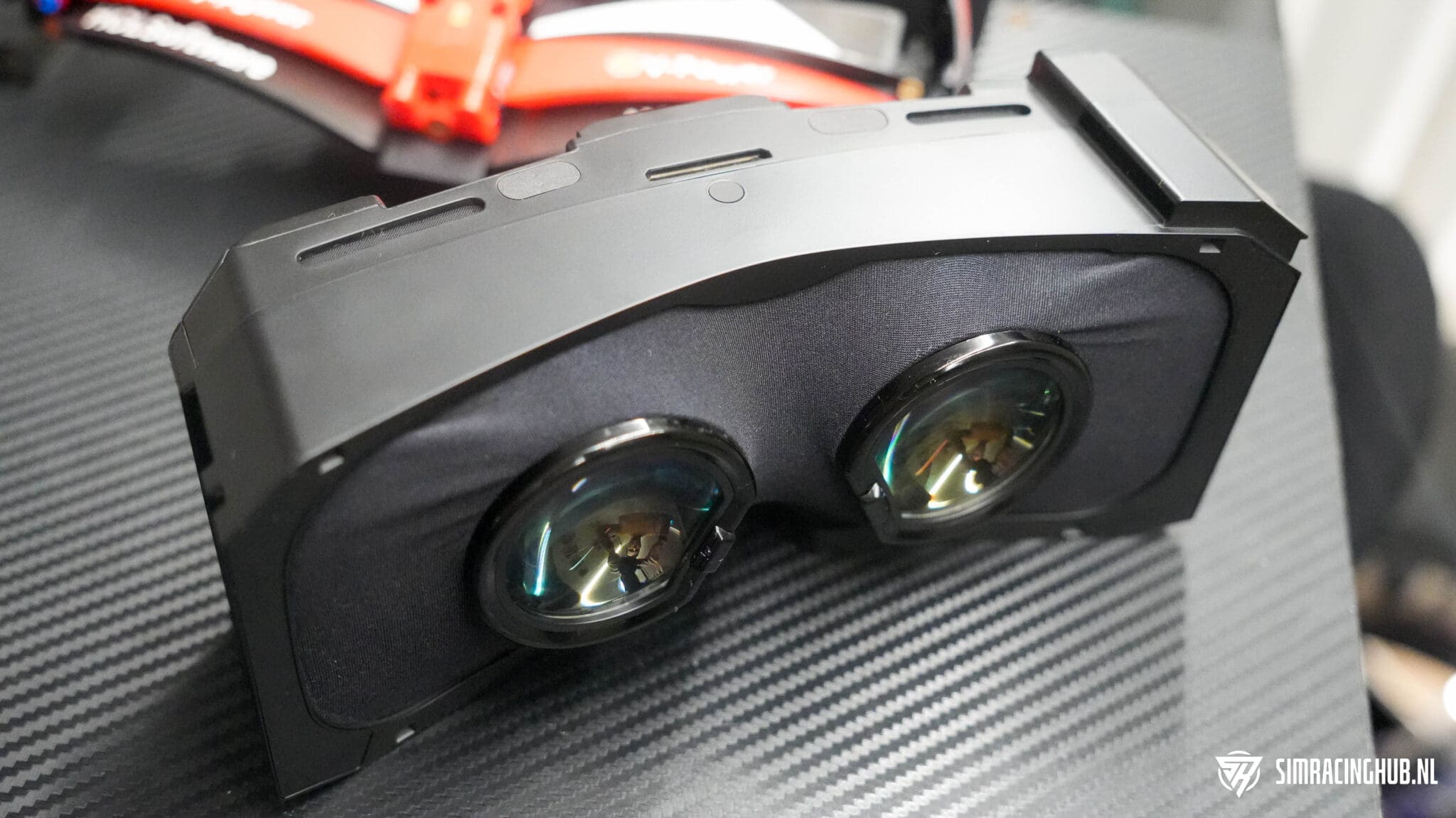
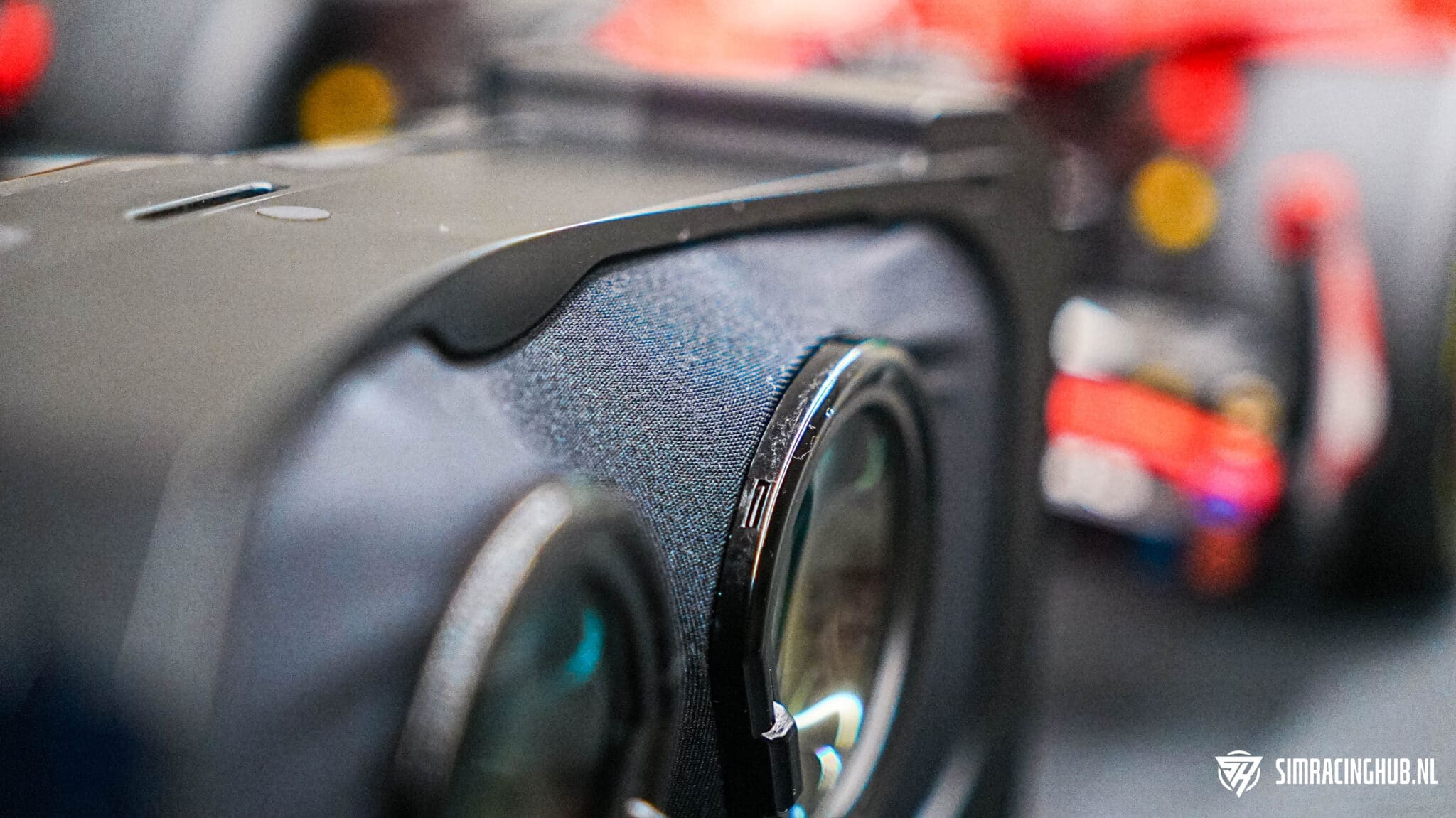
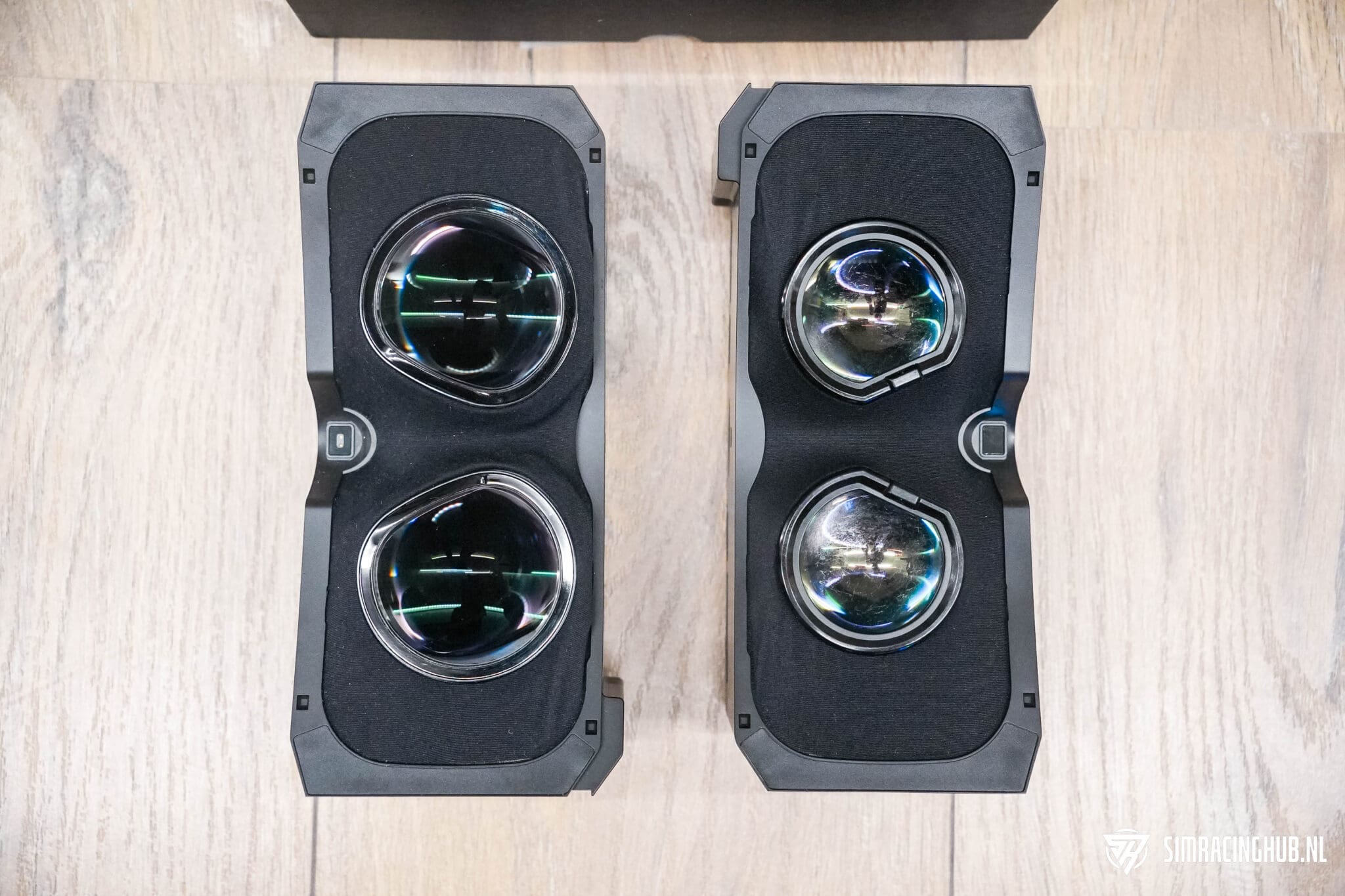
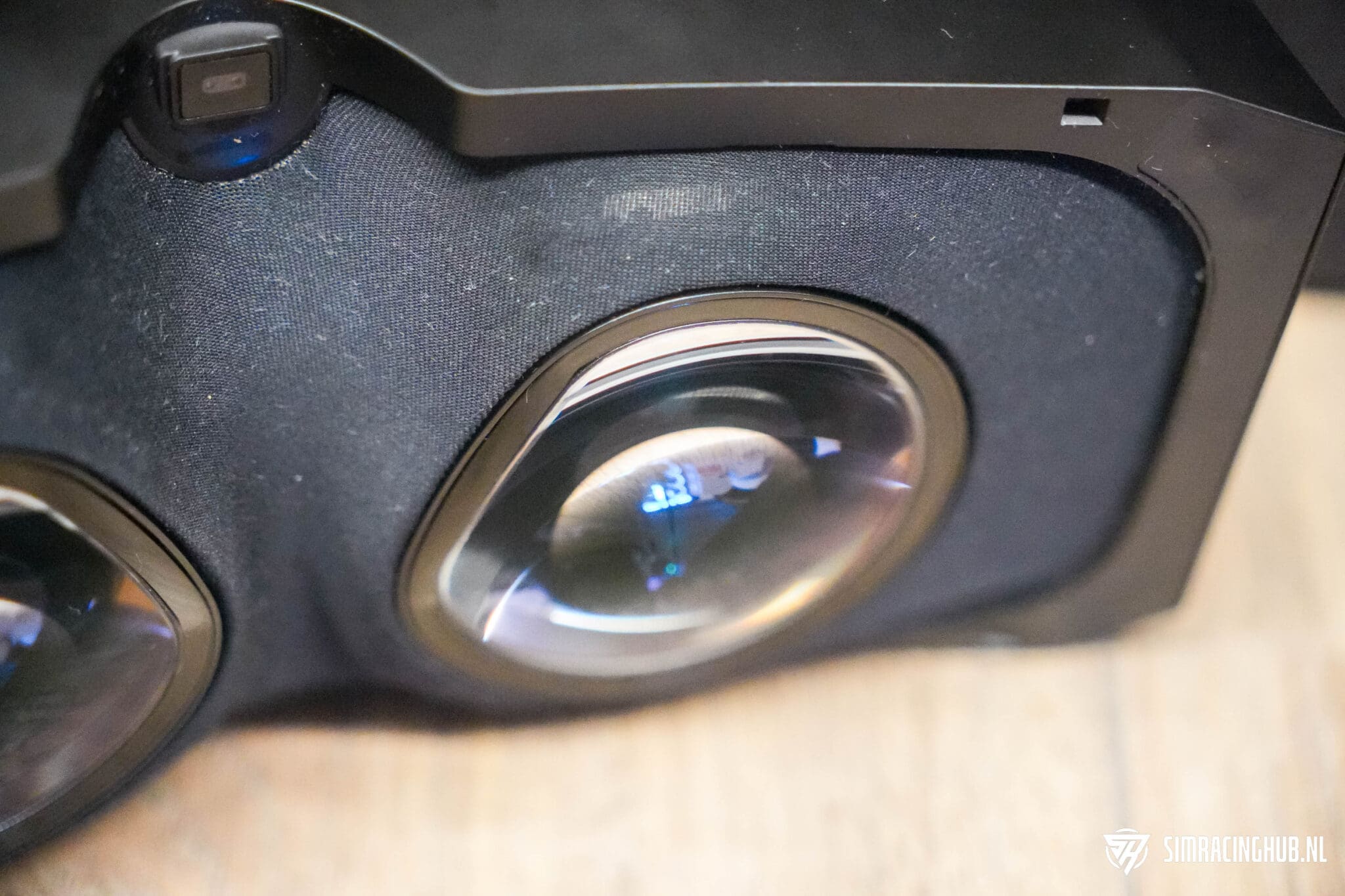
Another important part of the Sony 8K Micro-OLED engine is the new pancake lenses. These so-called ConcaveView lenses give the image a distinctly different look than the aspherical lenses of the QLED variants. The image feels more compact, calm and forgiving once you are properly positioned. The sweet spot is also pleasantly large, making you less likely to feel like you have to constantly make perfect corrections.
A different optical experience to QLED
In practice, that ensures that this Micro-OLED engine really comes across as optically different from the QLED versions. Whereas the QLED variants rely more on brightness and a different kind of presentation, this one actually feels stronger in contrast, quietness and focus in the picture. And that is exactly what makes this lens construction so important to the overall experience.
The downside of pancake lenses
There is a downside to this at the same time. Pancake lenses are in fact known for glare, and you notice it here too. This is in fact a kind of reflection or light haze that becomes especially visible in high-contrast situations.
On my first encounter, this was immediately noticeable. Indeed, it's one of the first things you see that sticks. And fair is fair, that does make you wonder for a while. Especially with an engine that you choose for its deep blacks, strong contrast and immersive image quality, it is a shame if such an optical side-effect plays right through it.
Why glare is especially noticeable in menus
At the same time, there is nuance in that. I mostly notice this glare in menus, dark loading screens and other static images with lots of black and harsh contrasts. During racing itself, I notice it much less, and sometimes hardly at all. This also makes sense. In-game, you have much more movement, more texture and less of those hard black areas where glare becomes visible the quickest.
So yes, it is a drawback. And yes, it struck me immediately. But it does not take away from the fact that this very lens construction is also an important part of why this engine feels so strong and convincing optically.
Sony 8K Micro-OLED
For me, this is where the real added value of this optical engine lies. The black levels stand out immediately, and it does more than just make the image look prettier. Cockpits gain more depth, dark areas look more convincing and colours come out much more powerfully. Especially in sim racing, this works tremendously well. Displays look brighter, shadows less flat and night conditions visibly gain atmosphere. This is not just a small visual step compared to the standard Crystal Super engine. This is where this module really makes a difference.
The black - really black - contrasts and colours stand out immediately. That immediately gives you that wow feeling and that is exactly where OLED shows its strength.
At the same time, here lies Micro-OLED's main limitation. The brightness is fine, let that be clear, but this is not the kind of picture that gives you that extremely bright, almost blinding feeling that a QLED headset can sometimes put down. If you're looking for just that bright sunlight that almost makes you want to squint your eyes in VR, you're not going to find as much of that here.
That is also exactly the trade-off. You sacrifice some pure brightness, but get much better contrast and much richer blacks in return. As a result, colours still hold strong and the image does not look dull at all. On the contrary. Only next to the QLED variants, you do notice that this Micro-OLED engine is more about contrast and depth than pure light output.
Personally, by the way, I did not find the brightness disappointing. Indeed, within the Micro-OLED segment, this picture still feels surprisingly powerful. Possibly the lenses help in that too. But compared to the QLED modules, the focus here is clearly elsewhere.


90Hz refresh rate
That 90Hz refresh rate may sound less spectacular than resolution or OLED contrast, but for sim racing, it is indeed an important part of the experience. A higher refresh rate makes for a quieter and smoother image, especially when you are chasing fast across the tarmac, moving cars around you or having to process a lot of visual input at once.
In practice, that 90Hz mostly contributes to confidence and comfort. The image feels more stable, movements look more natural and the whole experience remains just a little bit calmer to your eyes. It may not be the headline-feature of this engine, but it is a feature that clearly contributes to how good the overall picture feels.Dynamic Foveated Rendering 2.0
Dynamic Foveated Rendering sounds technical, but the idea behind it is actually quite simple. The headset uses eye tracking to see exactly what you are looking at and prioritises just that part of the image. Everything else does not have to be rendered continuously at the same maximum level. This distributes the load on your PC more intelligently.
For sim racing, this is extra interesting because your gaze is constantly at work. You look at your braking point, briefly at your apex, then at your mirror or dashboard. Especially in situations like that, this technique helps to keep the image sharp and convincing where your attention is, without your gpu having to do the same heavy lifting everywhere unnecessarily.
You notice this during racing not so much as a spectacular feature that shows itself emphatically, but rather as something that better balances the experience. The cockpit remains sharp where it matters, displays remain easy to read and the whole thing feels more usable than the raw resolution on paper might suggest. At the same time, you shouldn't expect too much from this either. This is not a panacea that will suddenly spare your PC. Even with my RTX 5080, I usually ended up between the 80 and 90 per cent resolution scale for the best balance. So it definitely helps, but it doesn't change the fact that this still remains a heavy high-end solution.
Inside-out tracking
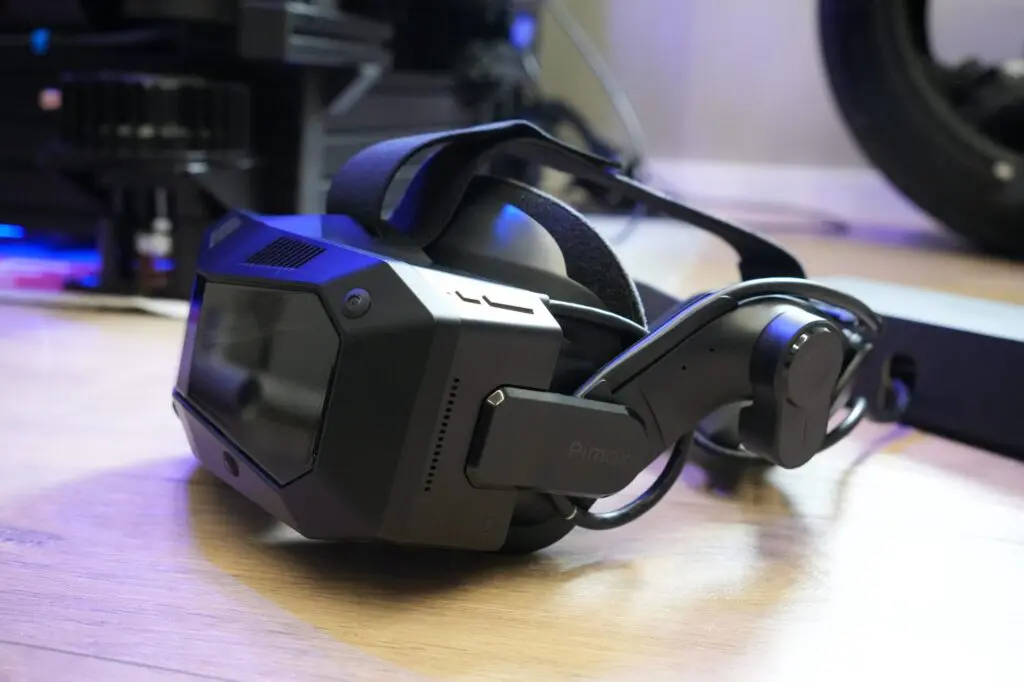
The Crystal Super uses inside-out tracking. Inside-out tracking simply means that the headset tracks itself with the cameras embedded in the headset. So instead of external base stations, the system looks at the space around you and determines where your head is and how it moves based on that. For sim racing, this is actually a very logical choice. After all, you are in a fixed cockpit, your head movements are controlled and predictable, and you use the headset mainly sitting in your cockpit.
My experience in the sim
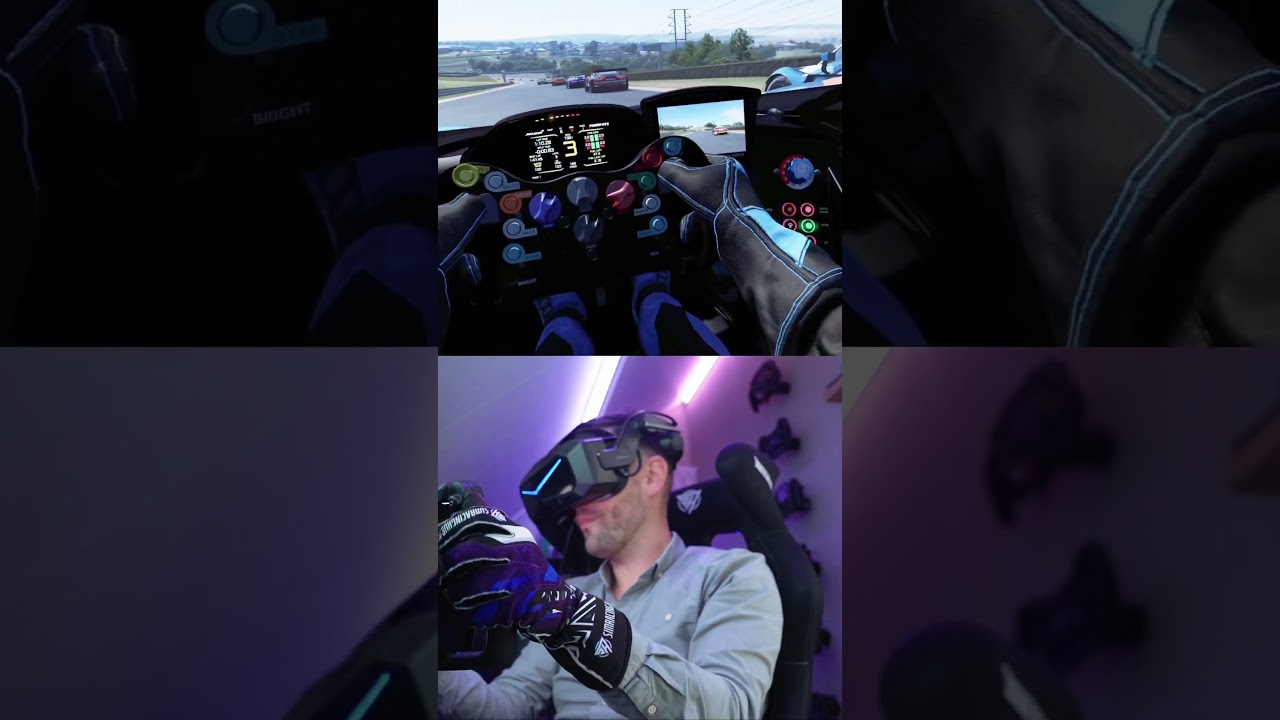
I tested this engine mainly in Automobilista 2 and Le Mans Ultimate. And right there, it became immediately clear how special this image can be. What grabbed me first were the black levels. Not a touch darker or just a bit more contrast - real black. An experience - and switch - comparable to my QLED triple monitor setup and my OLED ultrawide monitor.
As soon as you step into the cockpit, you immediately see what it does: the image gains depth, darker areas look richer and the whole thing feels calmer and more believable. Displays remain more readable, small details last longer and even further down the track the image remains usable. I noticed this back in both sims. Automobilista 2 - graphically one of the most beautiful games - already has rich colours and beautiful light - in combination with this engine, the atmosphere really shines. Le Mans Ultimate, on the other hand, makes the darkness, contrast differences and light sources stand out enormously.
So I had my biggest wow moments in dark conditions. The sky is black. Really black. Light sources, reflections and displays therefore come in much harder, making the whole experience more immersive. It is also exactly in those moments that the glare clashes the hardest with the rest of the image - because apart from that, this is visually stunning.
What makes the combination of Micro-OLED panels and pancake lenses so strong is that the image is not only more beautiful, but also feels more convincing. More depth, more calm, more detail in the places that matter during driving: your braking point, your mirror, your dashboard, cars further down the road. Precisely in that, this engine feels stronger than the 50 or 57 PPD QLED engines - not because everything is spectacularly sharper, but because the overall picture is more believable.
Impressive performance
I tested this engine on my sim gaming PC from YourBuild.co.uk with an RTX 5080. And I actually noticed very quickly: this is not an upgrade you just casually pick up. This optical engine just demands a serious amount from your system. For a really smooth experience, I could not structurally stay at 100 per cent resolution scale. In practice, I usually ended up between 80 and 90 per cent in SteamVR. So even with this PC, you're still searching for that right balance between maximum image quality and a smooth experience.
“This is the kind of image you don't really want to go back to after one session. Once you get used to OLED, going back actually immediately feels like handing it in.”
The nice thing is that Pimax gives you plenty of room to fine-tune in the software. So you can really work towards a setting that suits your system and preference. Only: that takes time. And patience. But the effort does pay off, because precisely because the basic image quality is so high, the image still holds up surprisingly strongly even at 80 or 90 per cent. Although the software is not always clear and intuitive, it does what it is supposed to do. You notice that the software is constantly evolving and has upgrades with great regularity.
Comfort, fit and everyday use
For me, the fit of the Crystal Super is fortunately just right. I already knew that from my previous experience with the headset, and it holds true with this engine as well. My sessions are usually no longer than an hour, and within that duration I haven't found weight or pressure on my face to be distracting.
What did bother me are two practical things. For me, the lenses sometimes fog up quite quickly. My sim racing studio is often hot and the ventilation is not ideal, so that context comes into play. But irritating it is, especially when you just want to get in and immediately find yourself with condensation again. I also have to clean the lenses more often than I'd like. Not only due to fogging, but also simply by putting on and taking off the headset. These seem like small things, but in a premium VR experience, these are exactly the irritations that weigh more heavily in the long run.
Is it better than the standard Crystal Super engine?
Yes, visually yes. That answer may also just be obvious. The standard Crystal Super engine is already strong, but this Micro-OLED variant adds noticeably more contrast, depth and visual tranquillity. The overall immersion is higher. Not because everything suddenly becomes twice as sharp, but because the whole picture feels more convincing in terms of colour contrast, black levels, sharpness and depth.
Looking purely at the Crystal Super family, the 50 PPD variant is attractive if you are looking for maximum field of view. The 57 PPD variant is interesting if you are hunting for pixel density entirely. But in practice, the Micro-OLED engine feels like the most impressive overall experience, precisely because picture quality is more than just a number on paper.
For whom, for whom not?
In the end, the most important question is: for whom is this Pimax Crystal Super Micro-OLED engine of interest or not? As far as I'm concerned, mainly for sim racers deliberately looking in the high-end segment, already a powerful gaming pc and know exactly what they are investing in. Because VR at this level is not cheap, but if you make a conscious choice to do so, you do get in return a picture quality that is really impressive in parts.
- For whom: High-end sim racers with a powerful PC who consciously choose the best image quality available.
Who would I be less likely to recommend it for? Sim racers with a tighter budget, a more modest PC or people who are mainly looking for an easy, worry-free VR solution. For that, this engine is simply too demanding and too expensive. This is not a casual purchase. Nor is it something you just add on without the rest of your setup being ready.
- Not who doesn't: Anyone with a tighter budget, a more modest PC, or those simply looking for a hassle-free VR solution.
Pimax Discount Code
Conclusion
The Pimax Crystal Super 8K Micro-OLED currently delivers a VR experience that is simply unbeatable as far as I am concerned. For sim racing, this is visually breathtaking. Real black. More depth. More tranquillity in the image. And above all: a cockpit experience that is so convincing that sometimes it almost feels unfair to have to go back to anything else.
Yes, there is something in return. This modular 8K Micro-OLED engine from Sony requires a heavy PC, the necessary time to tune everything properly and also some tolerance for optical concessions like glare. But apart from that, this is a fantastic VR experience and without a doubt one of the most impressive strides you can make in high-end sim racing VR right now.
But the question is actually simple: choosing between QLED and Micro-OLED within a Crystal Super bundle, this is without doubt the most impressive option of the three. Not the cheapest, but certainly the variant that stays with you the longest and that convinced me visually by far the most. Because once you're driving at this level, going back to QLED immediately feels like caving in - and that says it all.

 Nederlands
  Deutsch
  English (UK)
  Français